This article covers the only Finance track on the Transformation stage at London Tech Week 2026. Here, I focus on how AI and blockchain are being used in real-world situations.
Returning to London Tech Week for my second year, I noticed the atmosphere had changed. In 2025, the event was full of bold predictions about AI’s impact on fintech, along with ongoing discussions about blockchain, stablecoins, and a ton of similar buzzwords about what the future holds.
As a payments product manager, I focus on the boundaries of what is possible, transaction flows, risk systems, and what the near future holds for this industry. Comparing the official event summaries to what engineers deal with daily, there’s a clear gap between big-picture AI stories and what actually works. In this first part, I’ll explore the real limits of autonomous agents, how regulated AI operates in practice, and the changes happening in enterprise fraud prevention.
These are my personal opinions and takeaways from the speakers on stage. You can also review the official short summaries from voxo.ai to see what was discussed.
{{CARD: download official AI notes PDF here, giving readers access to the raw baseline text before reading your synthesis.}}
1. The Fiction of 100% Control of Regulated AI
One big topic on the Transformation Stage was how the UK is handling AI regulation. The official event summaries praised the UK’s principle- and outcome-based approach, saying it gives the country an edge over the stricter EU AI Act. In theory, this model allows fintechs and banks to work with regulators to establish compliance rules together.
But for risk officers who have to approve new systems, the reality is very different. At the “Driving Innovation in Regulated Industries” panel, speakers explained that having only broad principles and no clear rules can actually freeze decision-making. Yes, a lot of obvious talk about what everyone already understands. Indeed, without specific guidelines, compliance teams tend to play it safe to avoid getting in trouble with regulators (I personally saw it with stablecoins for years). That’s why many top banks keep their main transaction systems in proof-of-concept mode, waiting for clearer rules.
The Human “Black Box” Double Standard
This situation shows a clear double standard about auditability and explainability. Regulators want detailed, step-by-step logs from AI systems. But as the speakers noted, human decision-making in companies has always been a kind of “black box”. For example, when an experienced underwriter approves a risky file based on intuition or pattern recognition, there’s no way to log that in a database. Good point, but AI can do it, as it is a machine, and we can demand of it things that humans cannot do automatically. In practice, the financial industry accepts that a senior risk officer’s 'audit trail' is simply a long career without being fired.
The Enterprise Platform Paradox
To address this gap, enterprise software vendors promoted the idea of consolidating everything on a single platform. For example, ServiceNow’s 2026 purchase of Traceloop was presented as a way to power its “AI Control Tower”. Vendors claim that having a single codebase and data model solves all the challenges of managing AI agents. They say they can completely control, log, and govern agent behaviour (“We have the tools to do that 100%”).
From an infrastructure point of view, this is an oversimplification that mainly appeals to risk-averse executives. Forcing complex, high-speed transaction logic or real-time payments into a generic workflow system adds delays and makes systems fragile. This extra layer hides problems instead of fixing them. Big banks and public sector organisations don’t buy these all-in-one platforms because they are not the best for deploying AI agents. They buy them to shift risk and liability to a large vendor, trading real engineering quality for a compliance stamp.
It relates to product people, as one of a PM's goals is to reduce liabilities and shift as much as possible to providers. So it was a great reminder of business mindset at the top level.
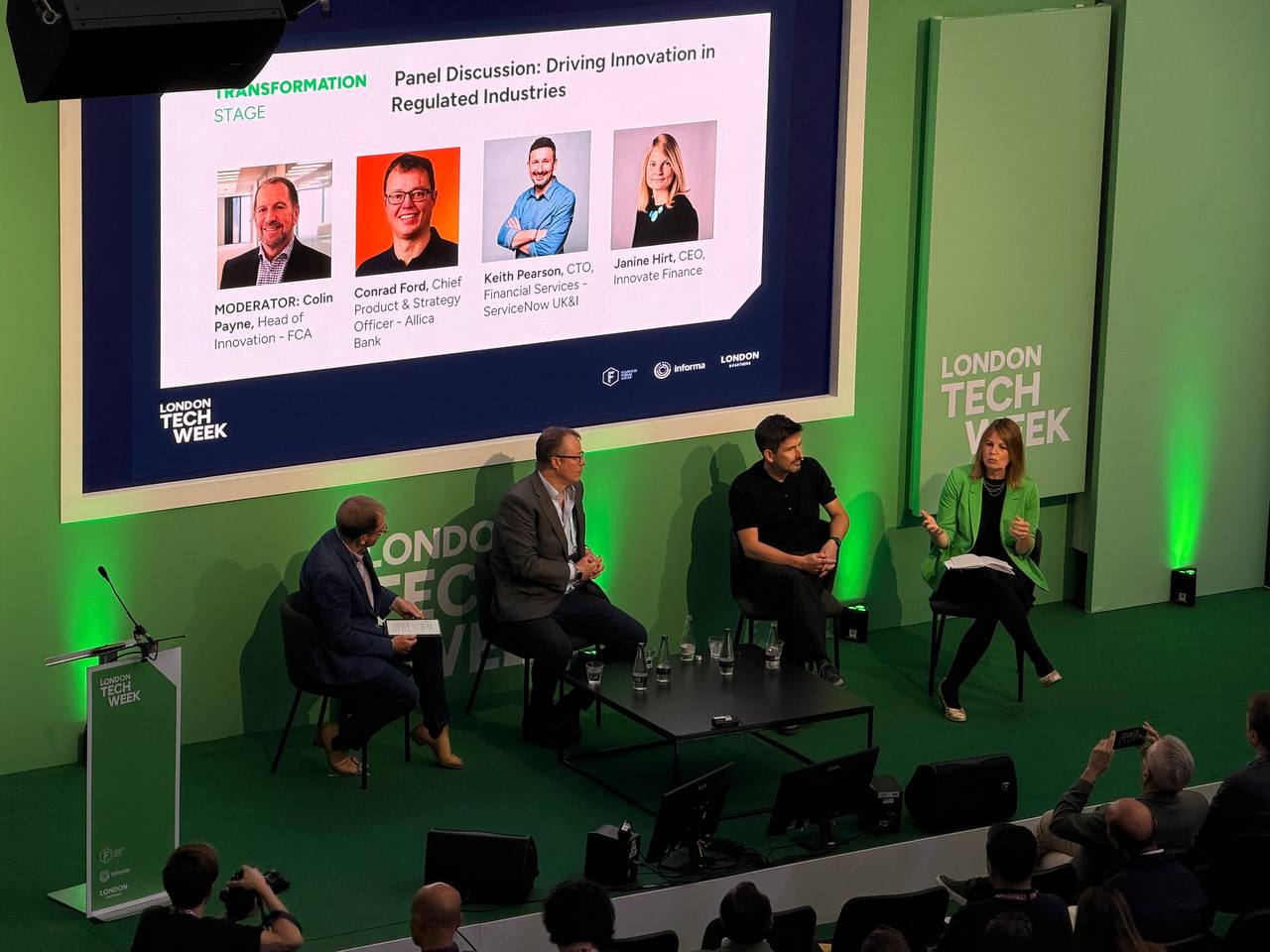
{{CARD: "Driving Innovation in Regulated Industries and Ensuring Compliance in the Age of AI". LINK: https://media.nornhill.com/public/pdf/LTW26%20-%20AI-Driven%20Fraud%20Prevention%20in%20Action.pdf}}
2. The Allica Bank Framework of AI Usage
While abstract AI strategies struggle, practical financial institutions are moving pilots into production by strictly separating duties based on credit risk and decision complexity. On the panel “How Agentic AI is Transforming Financial Services,” Richard Davies (CEO of Allica Bank) and Conrad Ford (Chief Product & Strategy Officer) explained that moving beyond abstract, top-down strategies means having a clear separation of responsibilities:
┌────────────────────────────────────────────────────────┐│ UNSTRUCTURED DATA INGESTION │
│ (PDF Financial Statements, Invoices, KYC) │
└───────────────────────────┬────────────────────────────┘
│
▼
┌────────────────────────────────────────────────────────┐
│ AUTOMATED EXECUTION LAYER │
│ - AI-driven unstructured-to-deterministic parsing │
│ - Zero Algorithmic Risk / Low Data Friction │
└───────────────────────────┬────────────────────────────┘
│
▼
┌────────────────────────────────────────────────────────┐
│ HUMAN CONVICTION GATEWAY │
│ - Technology as strictly an Enablement Layer │
│ - Routing data to human underwriters in real-time │
│ - Final Sign-off on High-Exposure Files │
└────────────────────────────────────────────────────────┘
The Automated Execution Layer. AI works best at the edges of data ingestion. In real production, the focus is on normalising unstructured data—turning messy financial statements and PDF files into clear database formats. This gives a big operational boost without adding algorithmic risk to the main transaction engine.
The Human Conviction Gateway. For high-risk corporate files, complex loans, and tough decisions, autonomous agents reach their limit. In these cases, technology just helps by getting the right data to human underwriters at the right moment, rather than trying to automate the final call.
{{CARD: "How Agentic AI is Transforming Financial Services and The Path to a Fully Autonomous AI-Bank". LINK: https://media.nornhill.com/public/pdf/LTW26%20-%20The%20Path%20to%20a%20Fully%20Autonomous%20AI-Bank.pdf}}
3. AI-Driven Fraud Prevention at Starling Bank
The main takeaway from the session “AI-Driven Fraud Prevention in Action” was clear: fraud rates are hitting record highs because criminals are using advanced AI to run more sophisticated scams. Adding AI as a core defence is now essential to keep up with these fast, precise threats.
Instead of treating AI as a one-size-fits-all fix, the focus has shifted to targeted integration that adds “intelligent friction” right where it’s needed in the customer journey. Bernadette Smith, Chief Compliance Officer and MLRO at Starling Bank, shared real results from two main AI-driven projects that show this approach works:
Call Status Indicator. This high-value vishing (voice phishing) prevention. A real-time network analysis tool identifies whether a customer is on an active call with a non-bank entity while simultaneously attempting a high-value transfer. The immediate, actionable alert has driven a staggering 73% decrease in bank impersonation scams.
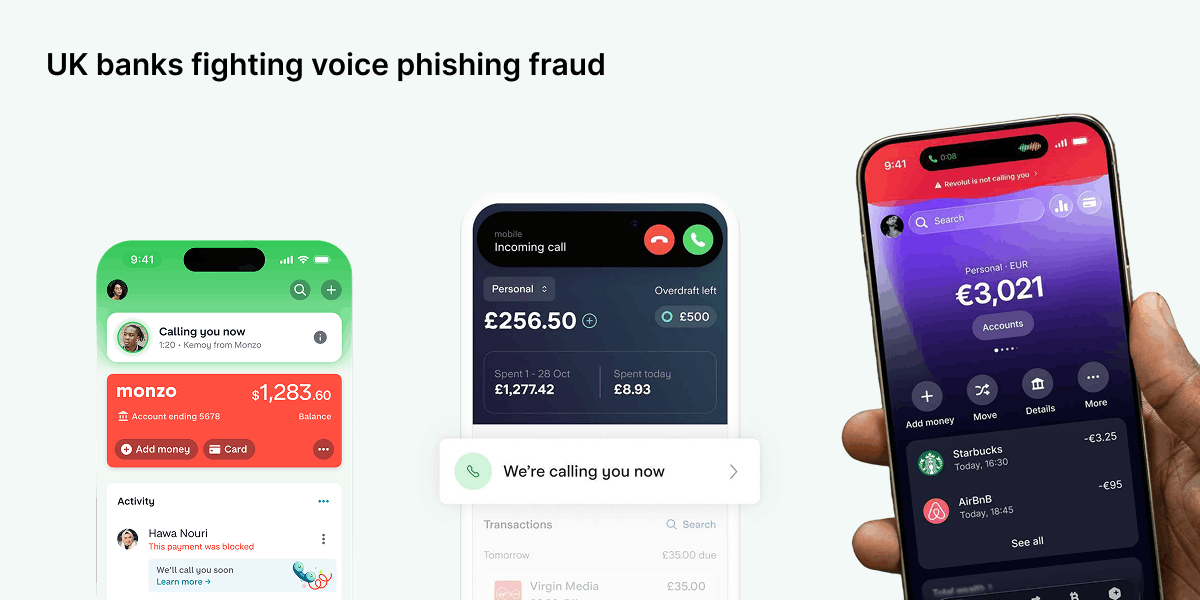
SCAM Intelligence. This is high-volume purchase fraud, and the tool empowers users to analyse marketplace advertisements or listings for fraud indicators before sending money. By tailoring the intervention to the context of the transaction, it has led to a 300% increase in customers voluntarily abandoning high-risk transactions, proving far more effective than traditional, static payment warnings.
The Fight for Ecosystem Accountability
The session ended with a strong critique of the current liability model, which puts too much operational pressure on financial institutions. This setup hurts competition and hits smaller fintechs the hardest. Starling’s Bernadette Smith called for a shift to shared liability, especially for unregulated tech platforms like Meta, where most consumer scams start. To really fight fraud, the whole ecosystem (including banks, fintechs, and social networks) needs to work together and be motivated to stop financial crime at its source.
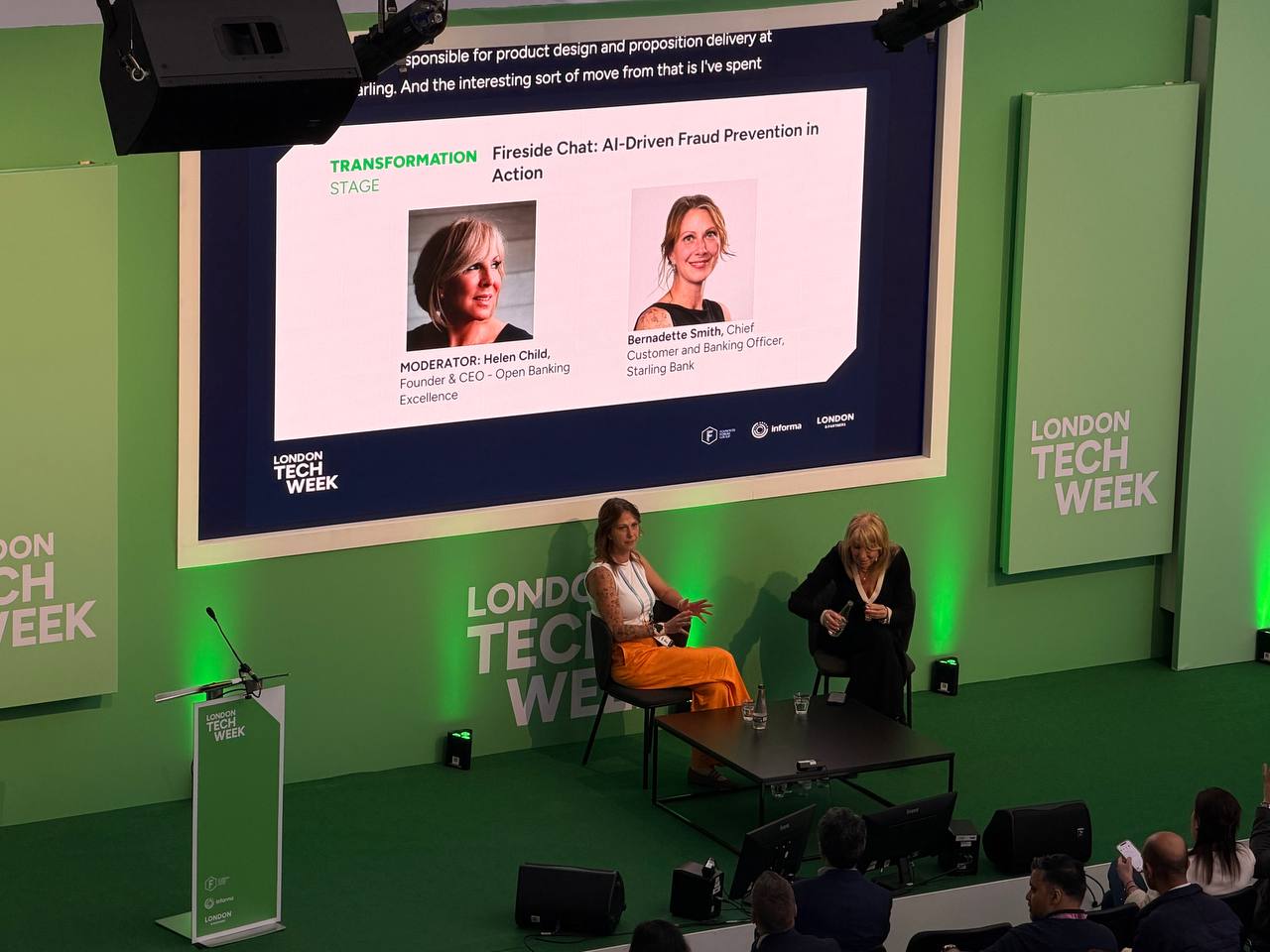
{{CARD: "AI-Driven Fraud Prevention in Action". LINK: https://media.nornhill.com/public/pdf/LTW26%20-%20AI-Driven%20Fraud%20Prevention%20in%20Action.pdf}}
4. AI in Compliance
In the final tracking session, Ensuring Compliance in the Age of AI, compliance specialists explained that core compliance systems are quickly moving away from keyword and string-matching and toward anomaly detection. These older methods just don’t work for today’s risk challenges.
Large Language Models (LLMs) are changing how we monitor communications across channels like email, MS Teams, and Bloomberg messenger, as well as voice transcriptions for high-risk people. Instead of just sending raw, isolated alerts, GenAI engines now build full case stories and give analysts automated recommendations.
Engineering the Hybrid Pipeline
However, speakers noted that massive production scaling is heavily bottlenecked by API costs, token efficiency, and execution latency. To optimize these performance funnels under production constraints, tier-1 institutions are deploying hybrid pipelines:
[Raw Transaction/Communication Stream]│
▼
┌────────────────────────────────────────────────────────┐
│ CLASSIC DATA SCIENCE STACK │
│ (Initial Filtering & Anomaly Triage at Scale) │
└───────────────────────────┬────────────────────────────┘
│ (High-Risk Anomaly Filtered)
▼
┌────────────────────────────────────────────────────────┐
│ TARGETED LLM ENGINES │
│ (Contextual Narrative & Rich Disposition) │
└───────────────────────────┬────────────────────────────┘
│
▼
┌────────────────────────────────────────────────────────┐
│ HUMAN ANALYST VALIDATION │
│ (Critical Thinking & Final Sign-Off) │
└────────────────────────────────────────────────────────┘
This hybrid approach makes sure that computing power and costly LLM tokens are used only for complex cases, keeping standard transaction processing fast.
Managing the Blast Radius
As we move from isolated AI experiments to connected, enterprise-wide systems, risk management is now focused on controlling the impact of failures and keeping operations solid. Managing a single AI model in one process is simple, but running autonomous agent workflows across a whole bank’s systems adds huge complexity.
Since regulators insist on human accountability, fully autonomous alert closure is limited by design. AI is used to handle repetitive, low-level data tasks, so human analysts can focus on critical thinking and making final decisions.
As a result, compliance auditing needs to move from static code reviews to real-time monitoring of metadata and telemetry. Operational risk teams now track things like system volume changes, processing speed shifts, and how long it takes to close alerts to make sure models stay within safe limits. Safe deployment requires thorough stress testing before launch and immediate response tools, like automated “kill switches,” to isolate agent workflows if something goes wrong.
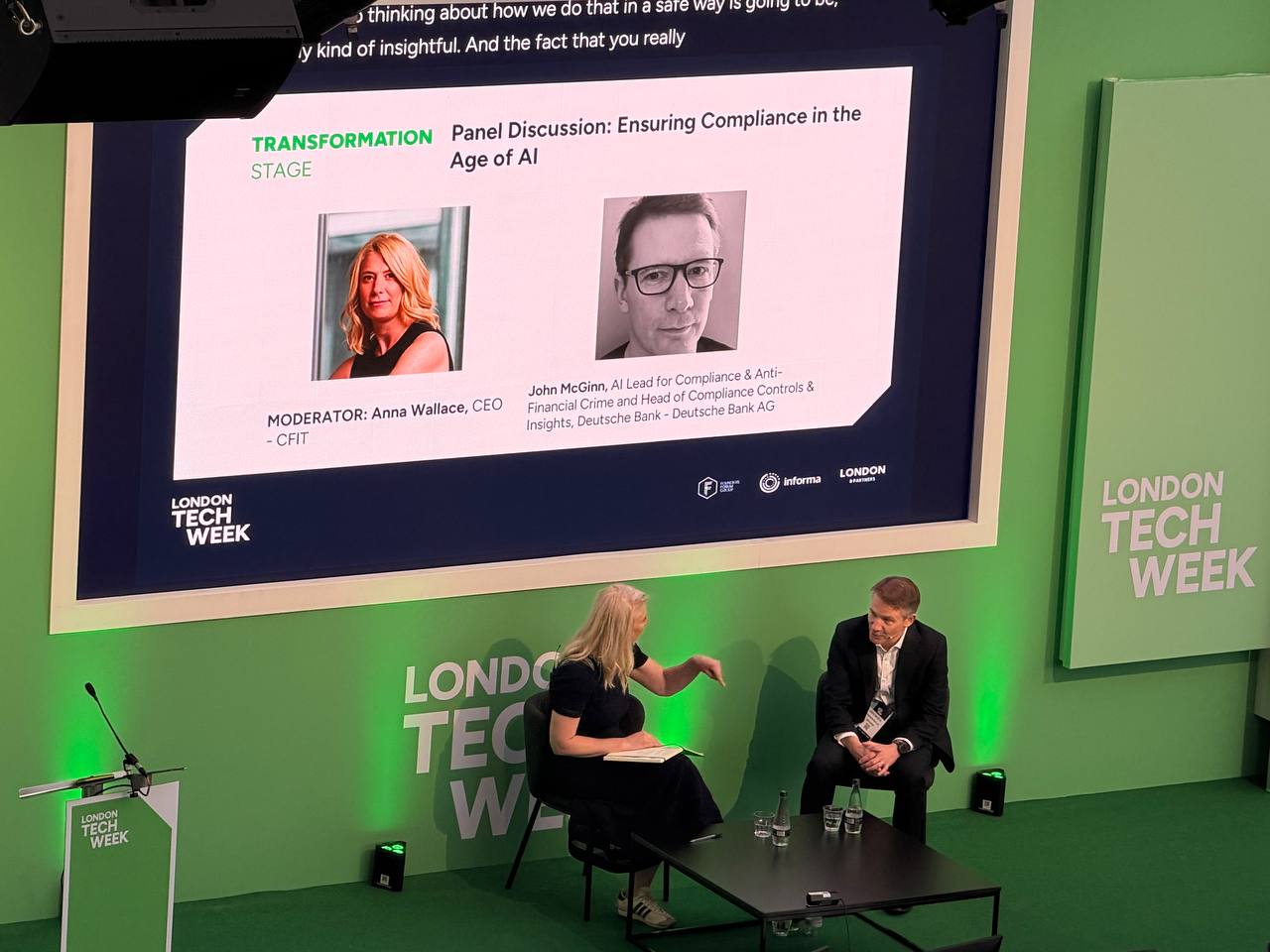
{{CARD: "Ensuring Compliance in the Age of AI". LINK: https://media.nornhill.com/public/pdf/LTW26%20-%20Ensuring%20Compliance%20in%20the%20Age%20of%20AI.pdf}}
In the next part of London Tech Week 2026, we leave the application and risk layer behind to dive straight into ledger physics, central bank settlement mechanics, the Bank of England’s RTGS liquidity mathematics, and the 0.2-second physical retail gate latency bottleneck.